QuietSky

Passive drone detection for sites that cannot emit or jam.

Four kinds of sensor, radio, broadcast identity, cameras and microphones, detect, identify and track unmanned aircraft before they reach the fence. Nothing transmits.

Request a briefing

Most counter-drone systems emit, jam or need a licence. Many of the sites that need protection can use none of them.

QUIET

Quick UAS Identification and Early Tracking. UAS means unmanned aircraft systems: drones. QUIET is a network of passive sensors around your perimeter, combined into one live picture for the people responsible for it. Each sensor takes its own bearing; where they agree, QUIET places the aircraft, follows it and checks it against the aircraft you have authorised.

Plan view: three passive sensors around a protected site take bearings that cross at an unknown aircraft. A registered aircraft is shown separately. Protected site Unknown aircraft Approaching, inside watch zone Registered aircraft Passive sensor Three passive sensors around a protected site take bearings that cross at an unknown aircraft. Protected site Unknown aircraft inside watch zone Registered aircraft Passive sensors

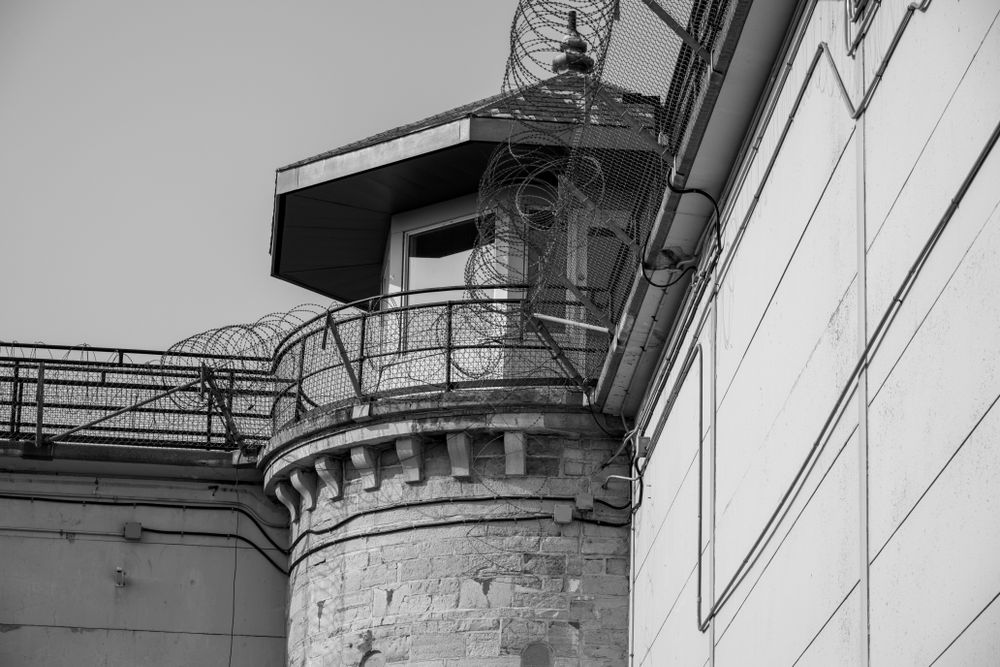
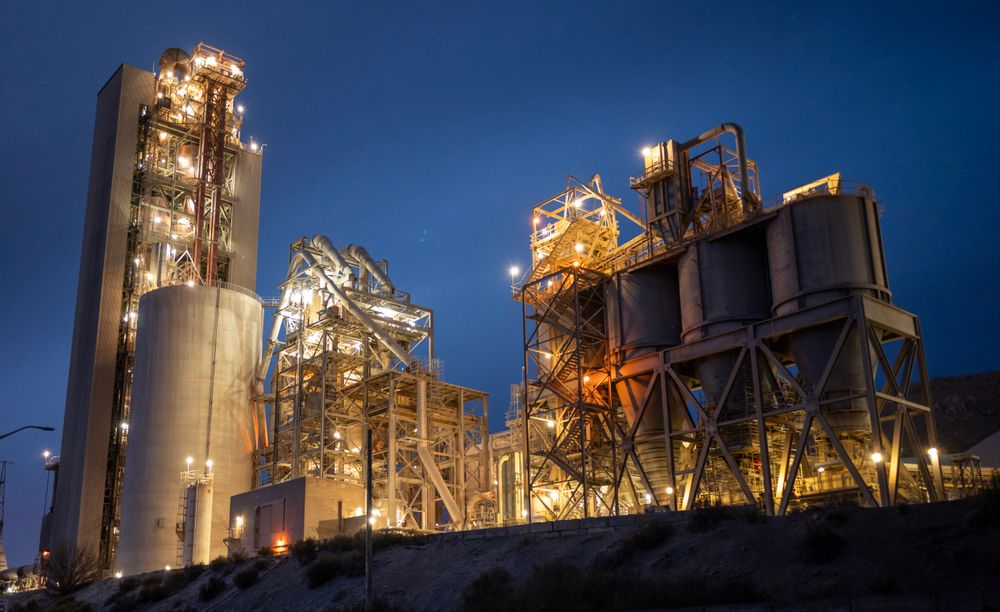
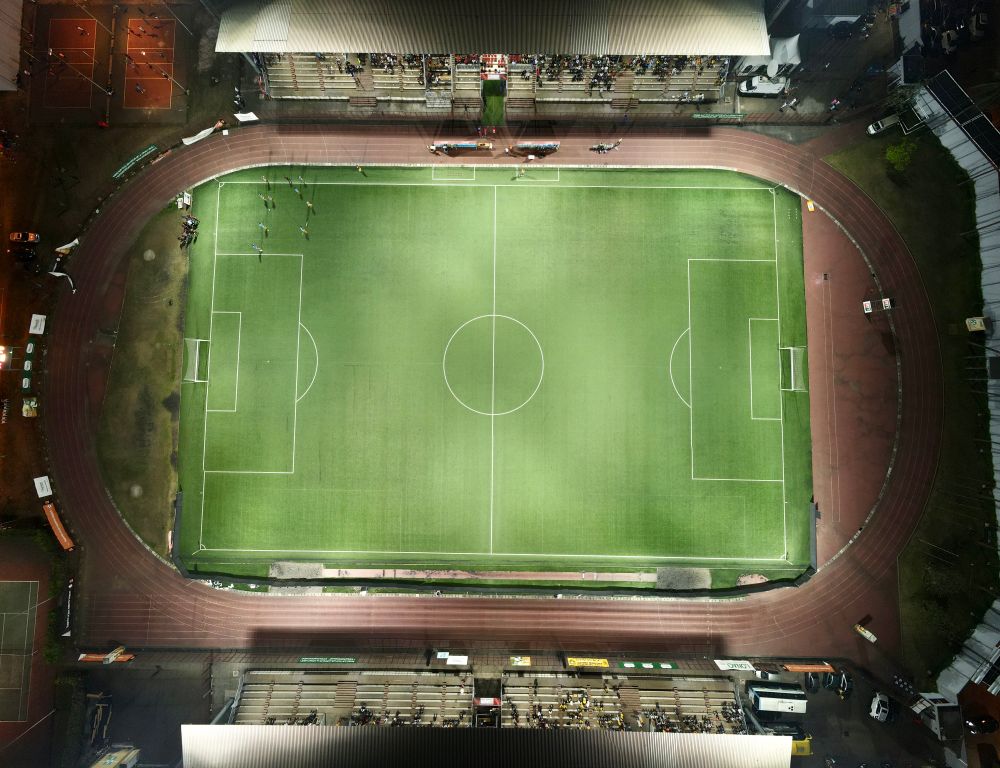
Built for

A hardened variant for government and defence users is in development.

How it works

Sense

Sensors receive drone radio links, the identity signals many drones broadcast by law and crewed air traffic. Cameras and microphones cover drones that fly without a radio link. Each site gets the mix it needs.

Combine

Independent observations are checked against each other and merged into tracks with a position and a history, so one drone is one alert.

Show

Operators see a live map of what is in the air, with your registered aircraft kept apart from everything else, and a record of every event.

What operators see

One map, one track per aircraft, and the evidence behind it. This view is illustrative: made-up data, not the production interface.

Map of a protected site with a watch zone. An unknown aircraft's track crosses into the zone from the north-east; a registered aircraft flies outside it. Watch zone Protected site Track 14 Registered: site survey
  1. Radio link detected
  2. Bearings cross, position fixed
  3. No identity broadcast, not in registry
  4. Entered watch zone, operator alerted

Stays on your site. Runs on your own infrastructure and works offline, maps included.

Accountable. Authenticated sensors, encrypted links and a log of every operator action.

Three ways to deal with a drone

Most systems on the market jam the aircraft or find it with radar. QuietSky does neither. It listens and looks, and the difference matters on the ground.

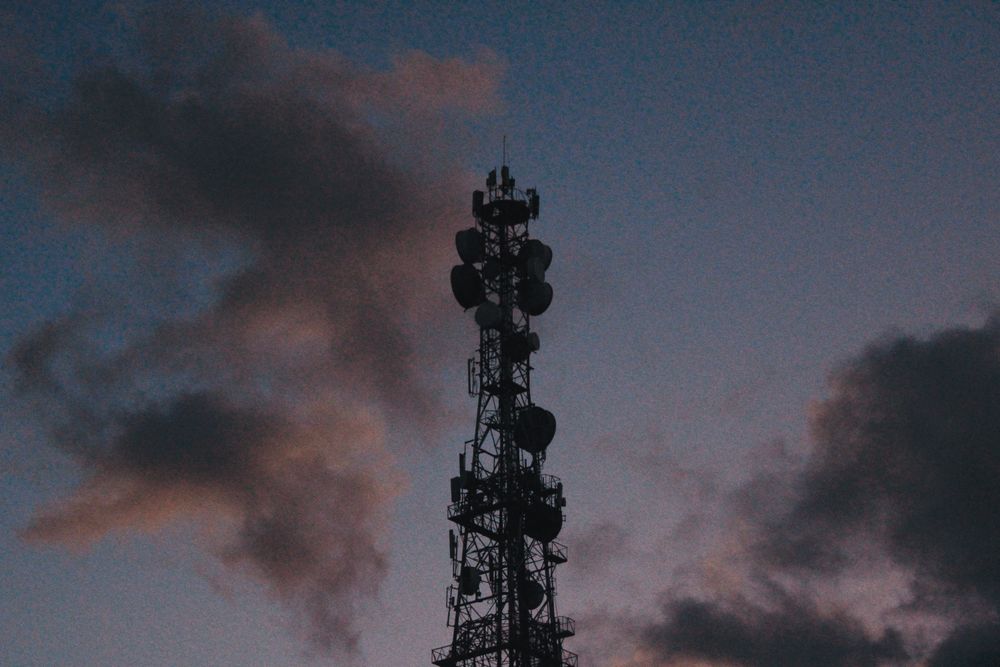
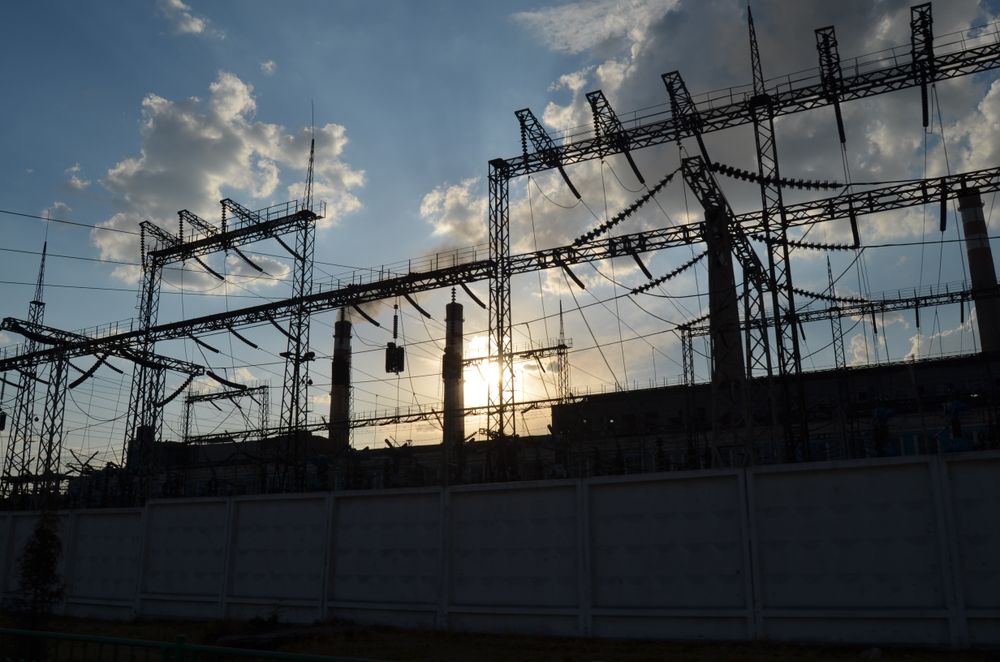
Telecommunications mast against a twilight sky

Other systemsJammers

A jammer floods the drone's control link until the pilot loses it. It is the only one of the three that stops the aircraft. It also transmits at power: it needs a transmitter licence, it can knock out radio, navigation and communications around the site, and it tells the pilot exactly where it is. Most civil sites will never be licensed to run one.

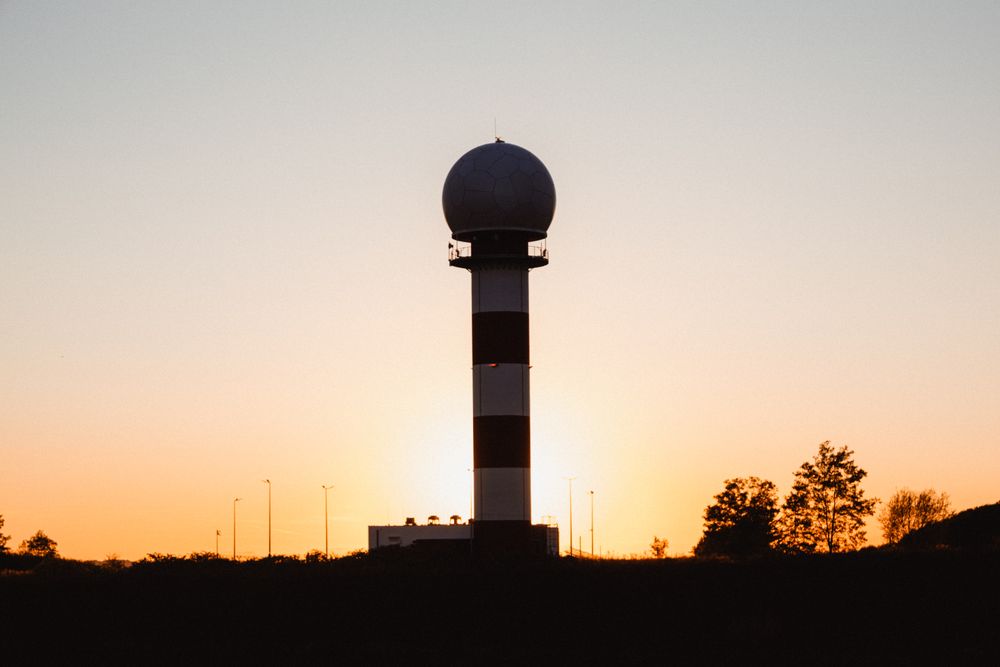
Radar tower silhouetted at sunset

Other systemsRadar

Radar sends out pulses and reads what comes back, so it finds anything that flies, with or without a radio link. It still transmits, usually under licence, and what it sees is a blip, not an aircraft: a bird and a drone look alike until a camera confirms. Strong at range, weak at telling you what you are looking at.

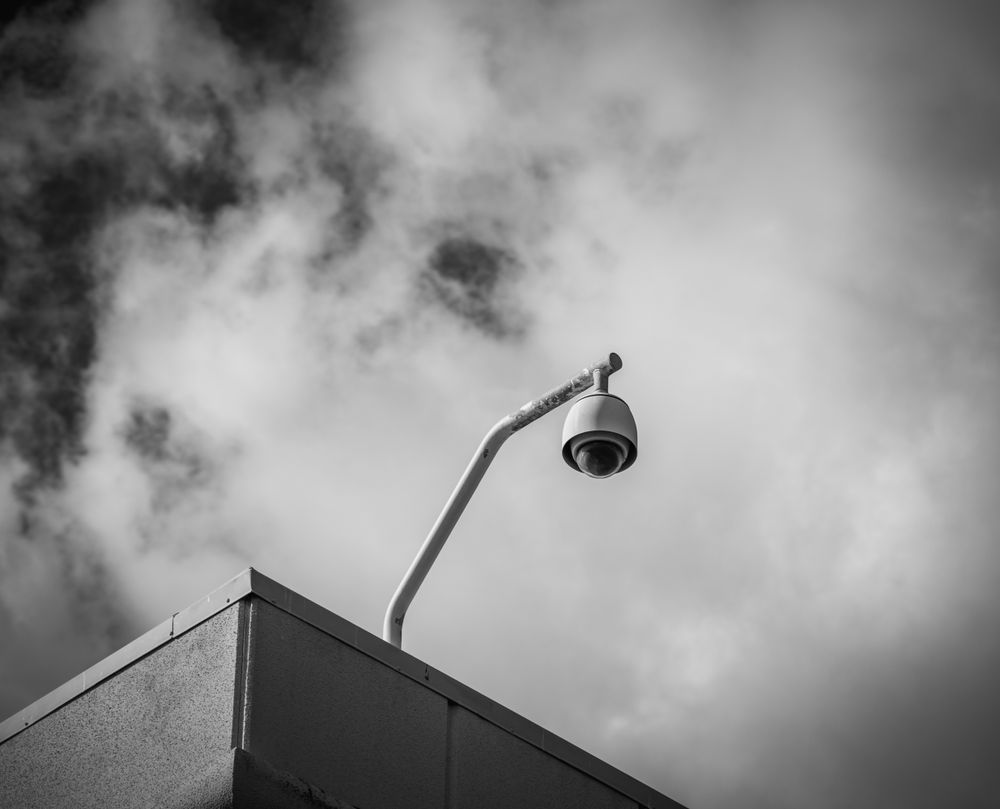
Camera on a mast against a cloudy sky

QuietSkyListen and look

QuietSky never transmits. Receivers pick up the control link and the identity many drones broadcast; cameras and microphones cover the ones that fly silent. There is no licence to obtain, nothing around the site is disturbed, and the pilot never learns it is there. It identifies the aircraft and tells you where it is. It does not stop it. Where a site needs an active response, it hands the track to one.

Detection only.

QuietSky never transmits, jams or interferes with any signal. There is no transmitter licence to apply for, no risk of disrupting radio, navigation or communications around your site, and nothing on the air that gives the system away.

General characteristics of each category, not a comparison with any named product.

Common questions

Does QuietSky jam, take over or bring down drones?

No. QuietSky detects, identifies and tracks. It has no transmitter and never acts on the aircraft. If your site is permitted to use an active countermeasure, QuietSky can pass it the track.

Do we need a licence or permit to run it?

QuietSky transmits nothing, so there is no transmitter licence to apply for. Rules on camera and microphone use vary by country and site; we cover them in the briefing.

What happens when a drone is detected?

The operator screen shows the track on a map of your site, with what each sensor contributed and whether the aircraft broadcast an identity. Alerts can go to the people and systems you already use.

Does it work with our existing security systems?

Yes. Alerts and tracks can be forwarded to your control room, video management system or operations centre. The details depend on what you run and are covered in the briefing.

Where does the data go?

Detections, recordings and logs stay on equipment at your site. Nothing leaves it unless you decide it should.

Why are there no specifications on this site?

Ranges, sensors and performance are shared with qualified partners under NDA. Request a briefing and we will walk you through them for your site.

Request a briefing

Performance, hardware and deployment details are shared with qualified partners under NDA. Tell us about your site and we will arrange a briefing.

Prefer to look first? Open the slides

All fields are required unless marked optional.

We use these details only to arrange your briefing.